January 13, 2026
Exploring the world of modular homes can be an exciting venture for homebuyers looking for flexibility, affordability, and sustainability. This guide provides a comprehensive understanding of the modular home buying and building process, from initial considerations to final construction. By covering aspects such as budgeting, designing, and navigating the building process, you’ll be equipped to make informed decisions and confidently embark on the path to your dream home. As modular homes gain popularity in the housing market, understanding their unique attributes will help you maximize their benefits. Whether you’re a first-time homebuyer or considering an upgrade, this resource will walk you through every step.
Understanding Modular Homes
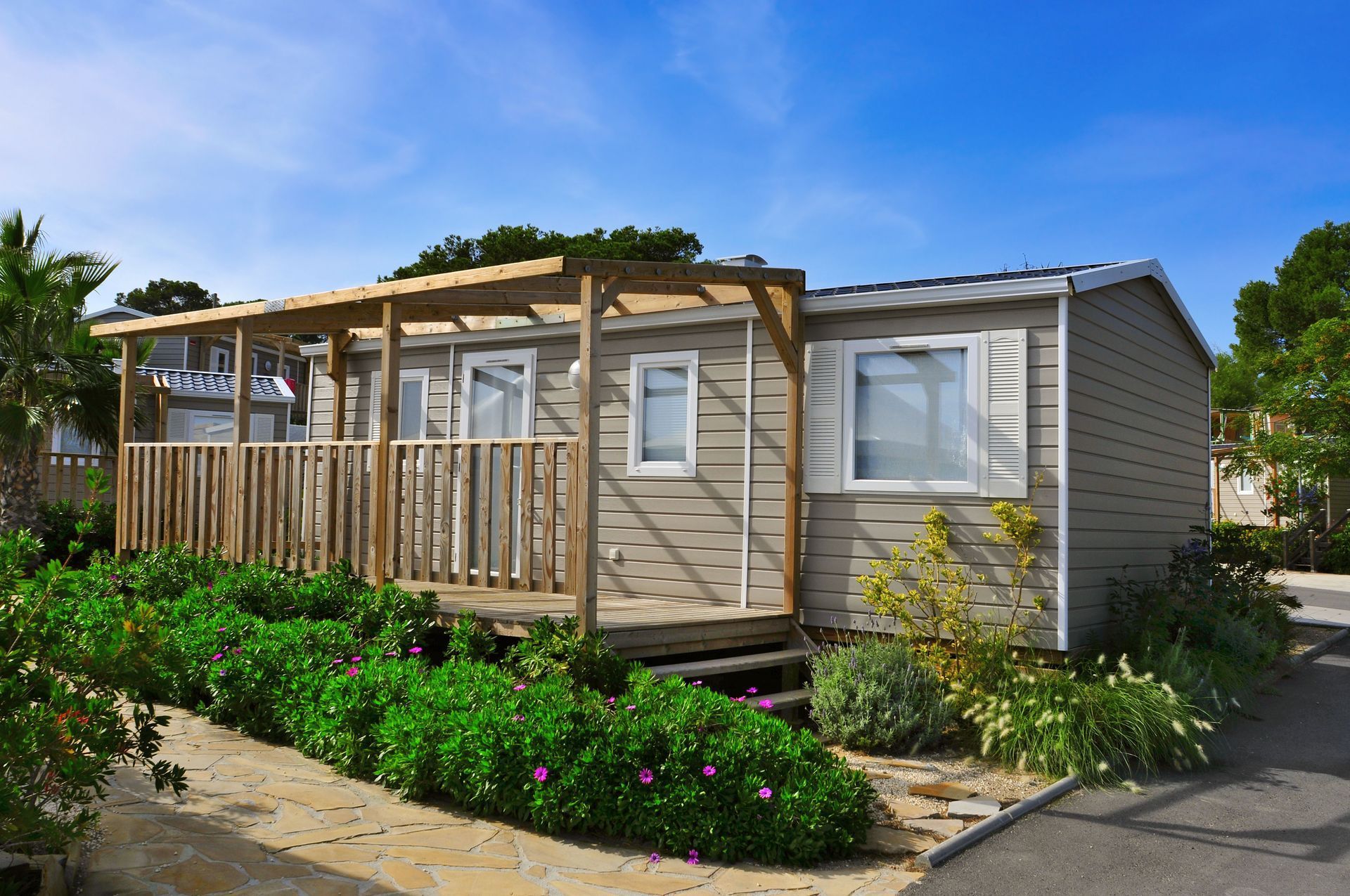
Modular homes, sometimes referred to as prefab homes, are residences built in factory-controlled environments. Individual modules are transported to the site and assembled on a permanent foundation. This process ensures consistent quality since the homes are constructed with precise machinery in weather-protected conditions. Unlike mobile homes, which are not permanently affixed to land, modular homes are indistinguishable from traditional houses once assembled.
The differences between modular and traditional homes are most apparent during construction. While conventional homes are built entirely on-site, modular homes are manufactured and assembled simultaneously with site preparation, drastically reducing timelines. They are also subject to rigorous quality control, often undergoing more inspections than site-built homes.
There are many advantages to choosing modular homes. They tend to be more cost-effective, thanks to streamlined production methods and reduced labor expenses. Energy-efficient designs are common, saving homeowners money in the long run. The homes can be customized in various layouts, architectural styles, and finishes, offering significant design flexibility. A common misconception is that modular homes are “cookie-cutter” or lower quality than traditional homes, but this could not be further from the truth. They meet or exceed the same building codes and, in many cases, offer even greater durability because of controlled factory construction.
Modular homes are also becoming a larger force in the real estate market. According to the National Association of Home Builders, in 2024, approximately 1.36 million new housing units were started in the United States. Modular construction plays a vital role in meeting this demand, as more buyers look for affordable yet high-quality housing options. With rising interest in sustainable, efficient living, modular homes are positioned as a mainstream solution rather than a niche product.
Budgeting for Modular Homes
One of the biggest reasons modular homes appeal to buyers is affordability, but budgeting still requires careful planning. While the base price for modular homes is often lower than that of traditional houses, there are additional expenses to account for. These include delivery, setup, foundation work, land preparation, and utility hookups. Buyers should request detailed cost breakdowns from manufacturers to avoid unexpected financial burdens.
Financing modular homes can differ from conventional purchases. Construction loans are often used during the building phase and then converted into permanent mortgages once the home is complete. Working with lenders who are familiar with modular homes is essential, as they can provide more favorable terms and understand the specific requirements of modular construction.
Another budgeting consideration is finding the right balance between affordability and quality. While modular homes offer savings, cutting too many corners on materials or finishes could reduce long-term value. Energy-efficient upgrades, durable building materials, and sustainable features may require higher upfront investment but will pay off in reduced energy bills and higher resale value.
It is also important to factor in the investment potential of modular homes. Like site-built homes, they tend to appreciate when well-maintained and located in desirable areas. Buyers should assess not just the house itself but also community development trends and neighborhood appeal. Long-term appreciation is a strong reason why modular homes are considered a smart financial decision.
Unexpected costs are another piece of the puzzle. Site permits, landscaping, and insurance often surprise first-time buyers. Site-specific challenges, such as sloped lots or remote land, may increase transportation and setup expenses. By planning for these possibilities, buyers can avoid budget overruns and enjoy a smoother buying process.
Designing and Customizing Modular Homes
One of the greatest advantages of modular homes is the ability to customize them to fit your lifestyle. Buyers can choose from a wide array of floor plans that accommodate everything from open living spaces to additional bedrooms and flexible office areas. The design process allows for consideration of both current and future needs, ensuring the home adapts with time.
Customization options extend far beyond layout. Modular homes can be designed with high ceilings, gourmet kitchens, modern finishes, or traditional details. Architectural styles range from contemporary and minimalist to rustic or craftsman-inspired, making it possible to match personal taste. This adaptability is one reason modular homes are gaining popularity among a broad range of buyers.
Building materials also play a critical role in design. Energy-efficient windows, insulated walls, and sustainable materials enhance durability and reduce long-term costs. Many manufacturers now prioritize eco-friendly materials, reflecting buyer demand for greener living solutions.
Working with architects and designers familiar with modular construction can make the process smoother. These professionals understand how to maximize modular flexibility while ensuring compliance with building codes and structural integrity. Incorporating sustainable elements, such as solar panels or recycled materials, can add both environmental and financial value. With these design choices, modular homes not only become comfortable living spaces but also future-proof investments.
Navigating the Buying and Building Process
The process of purchasing modular homes involves several important steps. First, selecting a reputable manufacturer is crucial. Researching reviews, visiting model homes, and asking for referrals helps ensure quality. A trustworthy manufacturer should provide transparency on pricing, timelines, and customization options.
Contracts and agreements should also be reviewed carefully. Buyers must understand the scope of work, deadlines, warranties, and cost breakdowns. Consulting a real estate attorney can provide added security when navigating these documents.
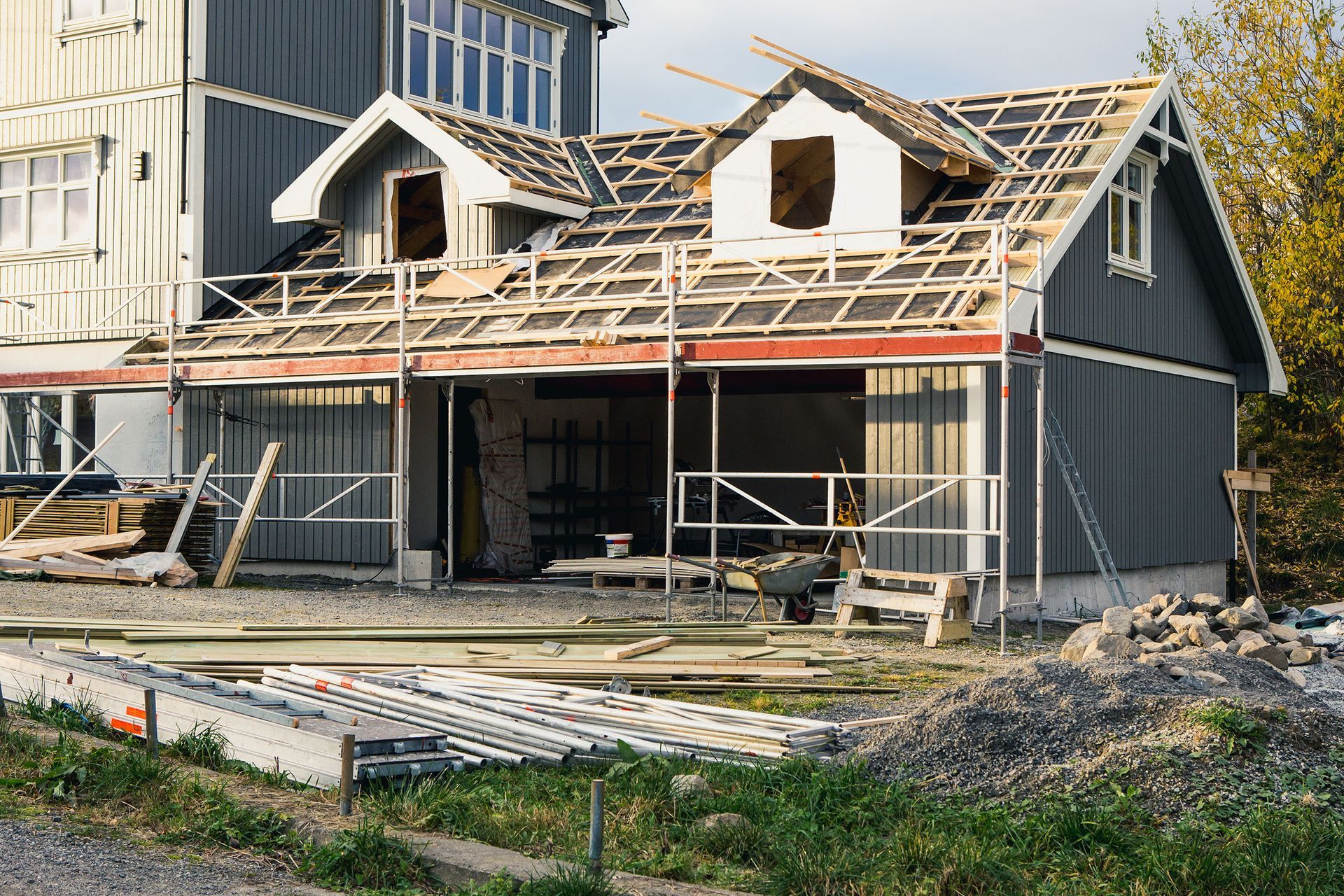
Choosing the right site and preparing the land are equally important. Factors such as access to utilities, zoning laws, soil stability, and environmental conditions all influence cost and feasibility. Buyers should work with experienced contractors to ensure the site is ready for the home’s arrival.
Permits and zoning laws can sometimes be hurdles, but they are critical for compliance. Municipal requirements may dictate setbacks, height restrictions, or even the types of homes allowed in certain areas. Addressing these early helps prevent delays. Insurance is another consideration, as coverage for modular homes may differ slightly from traditional policies. Buyers should ensure they have appropriate protection throughout both the construction and occupancy phases.
By understanding the intricacies of buying, designing, and building modular homes, you can make confident decisions that lead to rewarding homeownership. Modular homes combine affordability, efficiency, and sustainability, making them an excellent choice in today’s housing market.
If you’re ready to explore modular homes for yourself, now is the perfect time to take the next step. Reach out to a trusted modular home builder, review your financing options, and begin designing a space that reflects your lifestyle. With the right planning, you can enjoy all the benefits modular homes have to offer while investing in your future. Don’t wait to make your dream a reality—start your journey with LGS Home Builders, LLC today and discover how
modular homes can transform your vision of homeownership into a sustainable, affordable, and lasting reality.