January 15, 2026
Modular house construction is becoming an increasingly popular solution for modern building needs, offering efficiency, sustainability, and innovative design options. This method provides significant advantages over conventional construction, including faster timelines, cost savings, and reduced environmental impact. With growing urbanization and an increasing demand for housing, modular house construction presents a practical approach to meet these challenges.According to Custom Market Insights, the U.S. prefabricated housing market is expected to expand at nearly 6% annually over the next eight years, underscoring the growing significance of modular construction methods.
Understanding the Fundamentals
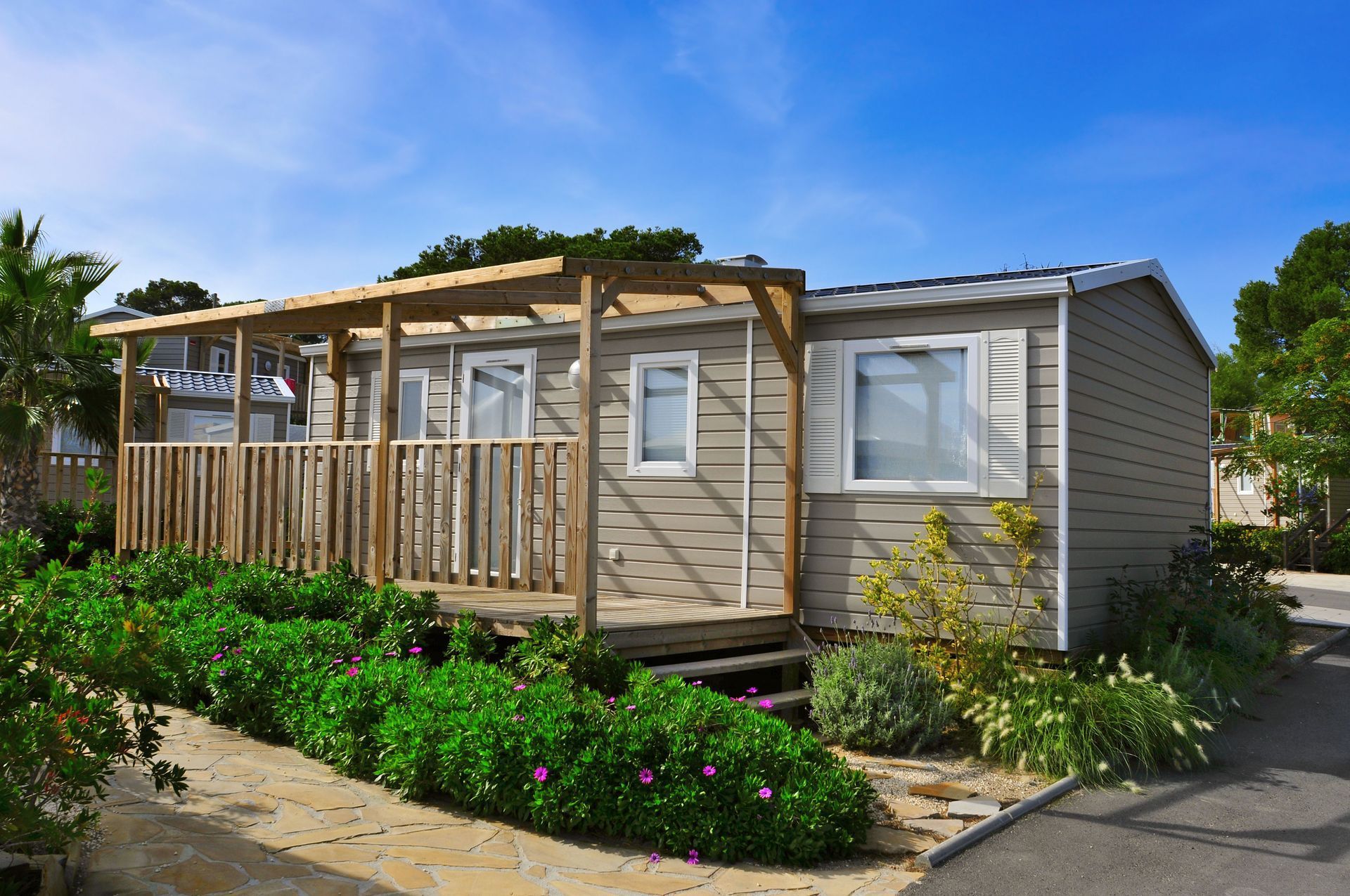
Modular house construction involves creating prefabricated modules in a controlled factory setting, which are then transported and assembled at the construction site. This process ensures high precision, minimizes errors, and reduces waste. The controlled environment allows for rigorous quality control, ensuring each module meets design and safety standards. Modular homes can range from simple single-story houses to complex multi-story structures, demonstrating versatility for various residential projects. The combination of efficiency, sustainability, and precision makes modular house construction a preferred option for homeowners and developers alike.
Exploring Historical Development
The origins of modular house construction trace back to the early 20th century, when prefabricated housing became a practical solution for wartime housing needs. Initially intended for temporary accommodation, the process has since evolved with technological advancements and innovative building techniques. Modern modular construction combines durable materials, aesthetic flexibility, and precision engineering, transforming the perception of prefabricated homes. Today, modular house construction is recognized as a reliable, long-term alternative to traditional construction methods, blending efficiency with high-quality design.
Comparing Construction Methods
Unlike conventional construction, modular house construction moves the majority of building activities off-site, allowing site preparation and module fabrication to occur simultaneously. This separation significantly reduces project timelines and mitigates weather-related delays that commonly affect traditional builds. Furthermore, modular construction reduces material waste and improves labor efficiency, resulting in cost savings and minimized environmental impact. By ensuring high-quality standards in controlled conditions, modular house construction delivers consistent results that traditional methods may struggle to achieve.
Identifying Types of Homes
Modular house construction encompasses various types of homes, including fully manufactured, panelized, and pre-cut kits. Manufactured homes are built entirely in factories and then delivered for installation. Panelized homes consist of preassembled wall panels that are joined on-site, while pre-cut homes offer factory-prepared kits that are assembled at the construction location. These options provide flexibility in design, customization, and cost management, making modular house construction accessible and appealing to a wide range of homeowners. The versatility of modular designs enhances their relevance in addressing urban housing needs efficiently.
Highlighting Essential Components
Key elements in modular house construction include standardized design protocols, factory-controlled production, and streamlined transportation logistics. Modules are inspected at multiple stages to ensure compliance with quality standards before arriving on-site. Standardization enhances integration and minimizes inefficiencies, while advanced transportation planning ensures timely and secure delivery. Each of these components contributes to a cohesive and efficient construction process, supporting the rapid, high-quality development of modular homes without compromising design integrity.
Accelerating Construction Timelines
One of the most compelling benefits of modular house construction is the significant reduction in construction time. Off-site module fabrication can occur simultaneously with site preparation, shortening project timelines dramatically. Avoiding common delays such as inclement weather or supply chain interruptions allows for faster completion, reducing labor costs and enabling quicker occupancy. For communities facing urgent housing needs, the speed of modular house construction offers a practical and timely solution.
Enhancing Cost Efficiency
Modular house construction enhances cost efficiency by minimizing material waste, reducing labor hours, and standardizing processes. Prefabricated modules allow for better budget predictability and limit unexpected expenses. Bulk material procurement and controlled factory conditions help stabilize costs, making large-scale housing projects more financially manageable. As demand for affordable housing rises, modular house construction emerges as a cost-effective and sustainable choice for developers and homeowners alike.
Ensuring Quality Control
The factory-based production of modular house construction ensures rigorous quality control, surpassing many traditional building methods. Modules undergo thorough inspections at every stage, ensuring structural integrity and compliance with design specifications. This systematic approach reduces the likelihood of post-construction issues and guarantees durable, high-quality homes. The consistency and reliability of modular house construction establish it as a trusted alternative in the modern housing industry.
Providing Flexibility and Customization
Contrary to early misconceptions, modular house construction allows extensive design flexibility. Architects and builders can customize layouts, finishes, and features to meet unique homeowner preferences. Advanced technologies and modular design innovations enable a wide range of aesthetic and functional options, creating personalized living spaces. This adaptability contributes to the growing appeal of modular house construction, meeting contemporary demands for individually tailored homes without compromising efficiency or quality.
Promoting Sustainability
Modular house construction promotes sustainability through precise material usage and reduced on-site energy consumption. Controlled factory settings limit waste and optimize resource efficiency, lowering the overall environmental footprint. The preassembled nature of modules minimizes site disruption, preserving local ecosystems and reducing emissions associated with construction. As climate-conscious building practices become increasingly important, modular house construction offers a smart, environmentally responsible solution for sustainable housing development.
Supporting Design Innovation
Modern modular house construction supports innovative design approaches that enhance both aesthetics and functionality. Contemporary architectural trends, such as open layouts, green roofs, and smart home technologies, integrate seamlessly into modular designs. Creative materials and flexible assembly systems allow architects to push the boundaries of conventional construction, producing visually appealing and highly functional homes. Modular house construction demonstrates that prefabricated solutions can offer exceptional design quality while meeting evolving lifestyle requirements.
Showcasing Successful Projects
Numerous case studies showcase the versatility and effectiveness of modular house construction. Urban infill projects, residential developments, and large-scale housing initiatives highlight the adaptability of modular solutions in diverse contexts. These successful implementations confirm the practical and aesthetic potential of modular designs, demonstrating how this approach meets modern housing demands efficiently. Modular house construction continues to establish itself as a reliable and innovative building strategy for a wide array of residential projects.
Coordinating Planning and Logistics
Effective project planning is crucial for successful modular house construction. Coordinating off-site manufacturing with on-site assembly requires careful scheduling and logistical oversight. Developers must ensure timely module delivery while maintaining quality standards, with a focus on integrating each stage seamlessly. Strategic planning and detailed project management enhance efficiency, reducing delays and supporting high-quality outcomes. Proper logistical execution is key to realizing the full benefits of modular house construction.
Collaborating with Manufacturing Professionals
Partnering with experienced modular manufacturing companies ensures smooth project execution and high-quality outcomes. Reliable manufacturers facilitate design, production, and transportation while maintaining compliance with regulatory requirements. Strong collaboration enables proactive responses to project changes and challenges, enhancing overall efficiency. By working closely with skilled professionals, modular house construction projects achieve superior results and foster ongoing industry relationships, promoting long-term success.
Executing Site Preparation and Installation
Site preparation and installation are simplified in modular house construction due to systematic procedures. Foundational work, utilities installation, and code compliance precede module placement, which is carefully scheduled to optimize workflow. Modules are positioned, connected, and sealed with precision to ensure structural integrity. This streamlined approach reduces on-site labor and accelerates completion timelines, demonstrating one of the most tangible advantages of modular house construction over traditional methods.
Maintaining Regulatory Compliance
Adherence to building codes and safety regulations is a critical aspect of modular house construction. Compliance ensures the durability, safety, and legal acceptance of the finished home. Modular manufacturers and developers stay informed on local and national regulatory changes, maintaining project integrity and fostering trust with clients. Rigorous compliance practices enhance the credibility and reputation of modular house construction as a professional, reliable building solution.
Implementing Project Management Best Practices
Implementing best practices in project management is essential for the success of modular house construction. Coordinating teams, tracking progress, and ensuring timely completion require effective communication and resource management. Advanced project management tools support scheduling, quality control, and collaboration, increasing efficiency across all phases. Adopting these practices ensures modular house construction projects meet or exceed expectations, resulting in high-quality homes delivered on time and within budget.
Overcoming Industry Challenges
Despite its advantages, modular house construction faces challenges such as transportation logistics, public perception, and integration with existing infrastructure. Moving large modules requires careful planning, while misconceptions about quality and aesthetics persist. Additionally, technical considerations arise when connecting modular units to existing structures. Recognizing and addressing these challenges enables builders to innovate and implement solutions that maintain high standards and ensure consistent project success.
Applying Innovative Solutions
Industry advancements and innovative strategies address challenges in modular house construction. Enhanced logistics technologies streamline delivery, while public education and demonstration projects improve perceptions of modular homes. Integration technologies facilitate seamless connections with existing structures, broadening applicability. Continuous innovation strengthens the modular construction sector, positioning it as a resilient and forward-thinking solution within the modern housing market.
Learning from Past Projects
Lessons from completed modular house construction projects inform best practices and drive improvements. Early planning, stakeholder collaboration, and proactive risk management have proven essential for success. Analyzing project outcomes enables builders to refine processes, improve efficiency, and anticipate potential obstacles. Emphasizing continuous improvement enhances the quality and reliability of future modular house construction endeavors.
Adapting to Market Demands
Modular house construction is highly adaptable to evolving market needs, responding to demands for sustainable, cost-effective, and stylish homes. Flexibility in design, materials, and construction processes allows builders to meet diverse consumer preferences. The projected growth rate of about 5.8% in the US Prefabricated Housing Market from 2024 to 2033 reinforces the rising demand for modular solutions. By continuously innovating, modular house construction maintains its relevance and appeal in the contemporary housing landscape.
Integrating Emerging Technologies
Emerging technologies, including automation, AI, and advanced design tools, are shaping the future of modular house construction. Sustainable materials and energy-efficient systems reduce environmental impact while meeting consumer expectations for green housing. Digital modeling tools streamline design and collaboration, enhancing project accuracy. As innovation continues, modular house construction is poised to remain a central component in modern residential development.
Supporting Urban Growth
Modular house construction supports urban growth by providing scalable and cost-effective housing solutions. Its efficiency and adaptability make it ideal for high-density developments and rapidly expanding communities. Modular homes address urban housing shortages while promoting sustainable building practices. Their integration into city planning underscores the potential of modular construction to meet evolving urban challenges effectively and responsibly.
Leveraging Government Support
Government policies that promote sustainable building, streamline regulatory processes, and offer financial incentives foster the growth of modular house construction. Supportive measures encourage innovation and adoption within the industry, allowing builders to expand their offerings. Collaboration between policymakers and construction professionals enhances project feasibility and market integration. These supportive frameworks strengthen modular house construction's role as a credible and mainstream solution for residential development.
Expanding Potential and Innovation
Modular house construction continues to expand its potential through customization, multifunctional spaces, and technological integration. Homes can be adapted for modern lifestyles, including remote work and minimalistic living. Collaboration with architects, designers, and technology partners enhances creative possibilities, incorporating smart home features and sustainable practices. By embracing these opportunities, modular house construction offers innovative, adaptable, and forward-thinking solutions for contemporary living.
The advantages of
modular house construction are clear, offering a faster, more efficient, and sustainable alternative to traditional building methods. By combining innovation, quality, and adaptability, modular construction transforms the residential building experience. Its role in addressing urban housing challenges, promoting environmental responsibility, and supporting modern architectural designs positions modular house construction as a leading solution for the future of housing development. Contact LGS Home Builders to get started with your modular home today!