March 11, 2026
If you have ever looked into alternative housing options, you have probably heard conflicting opinions about modular homes. Some people praise them for affordability and efficiency, while others hesitate because of outdated assumptions. As housing prices continue to rise across the country, more buyers are reconsidering what homeownership can look like. That shift has placed modular homes into the spotlight in a way we have not seen before.
Yet despite their growing popularity, several persistent myths still shape how people perceive them. These misunderstandings often prevent buyers from exploring a solution that could align perfectly with their goals. When you take a closer look at how these homes are built, financed, and valued, the narrative becomes much clearer. Let’s walk through the seven biggest misconceptions and break them down in practical terms.
Questioning The Quality
One of the most common assumptions is that modular homes are built with lower standards than traditional houses. In reality, they are constructed in climate-controlled facilities where weather delays and material exposure are minimized. That environment allows for precise measurements, consistent processes, and multiple inspections throughout each stage of production.
Because modular homes must meet the same state and local building codes as site-built houses, the structural integrity is not optional—it is required. Electrical systems, plumbing, framing, and insulation are all inspected before modules ever leave the factory. This layered quality control often results in tighter construction and improved energy performance.
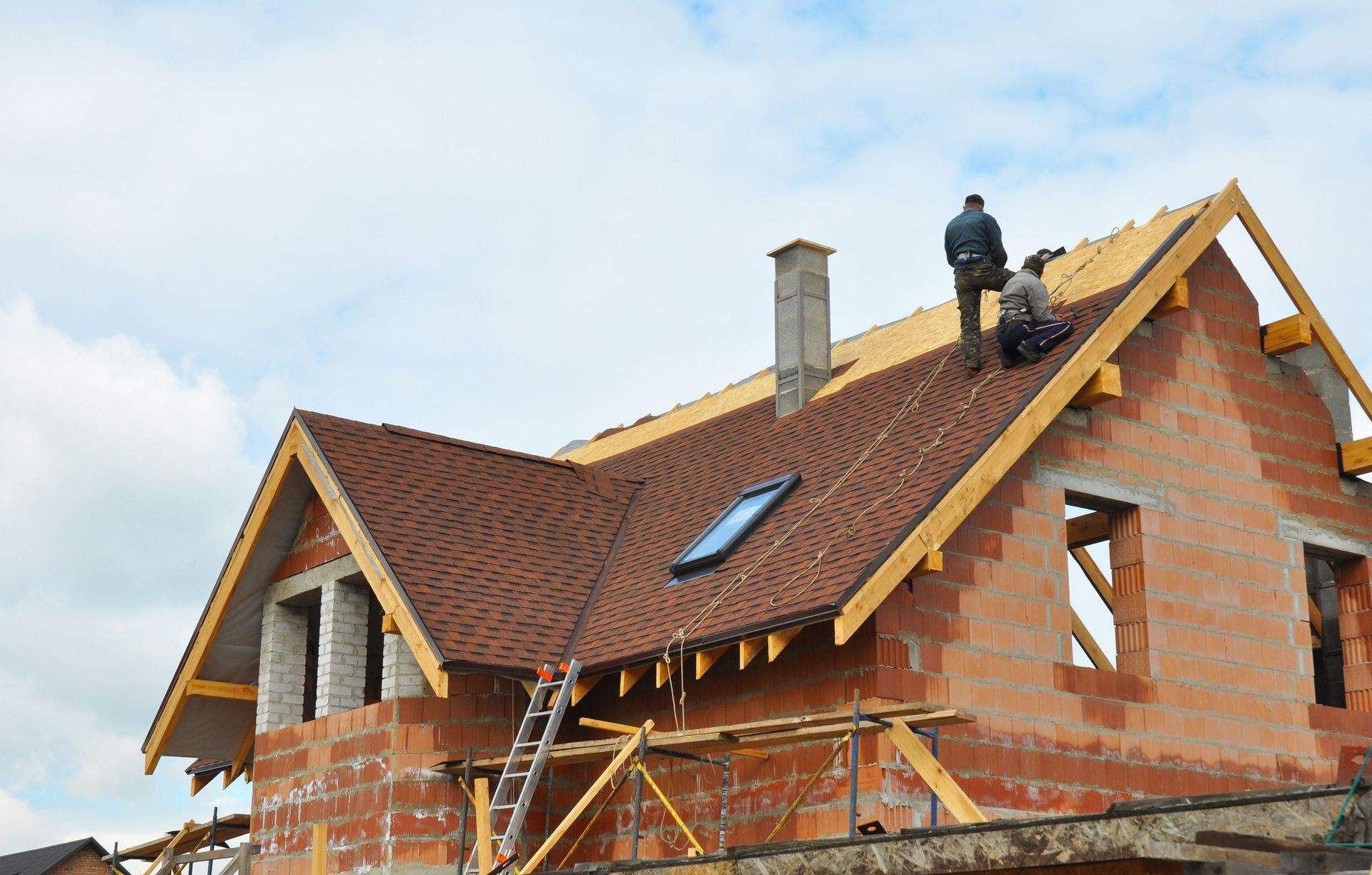
It is also worth considering how weather affects traditional builds. Rain, humidity, and temperature swings can impact materials during months-long site construction. With modular homes, much of that risk is eliminated before the structure reaches your lot. The idea that factory-built equals inferior simply does not reflect modern building science.
Criticizing The Design
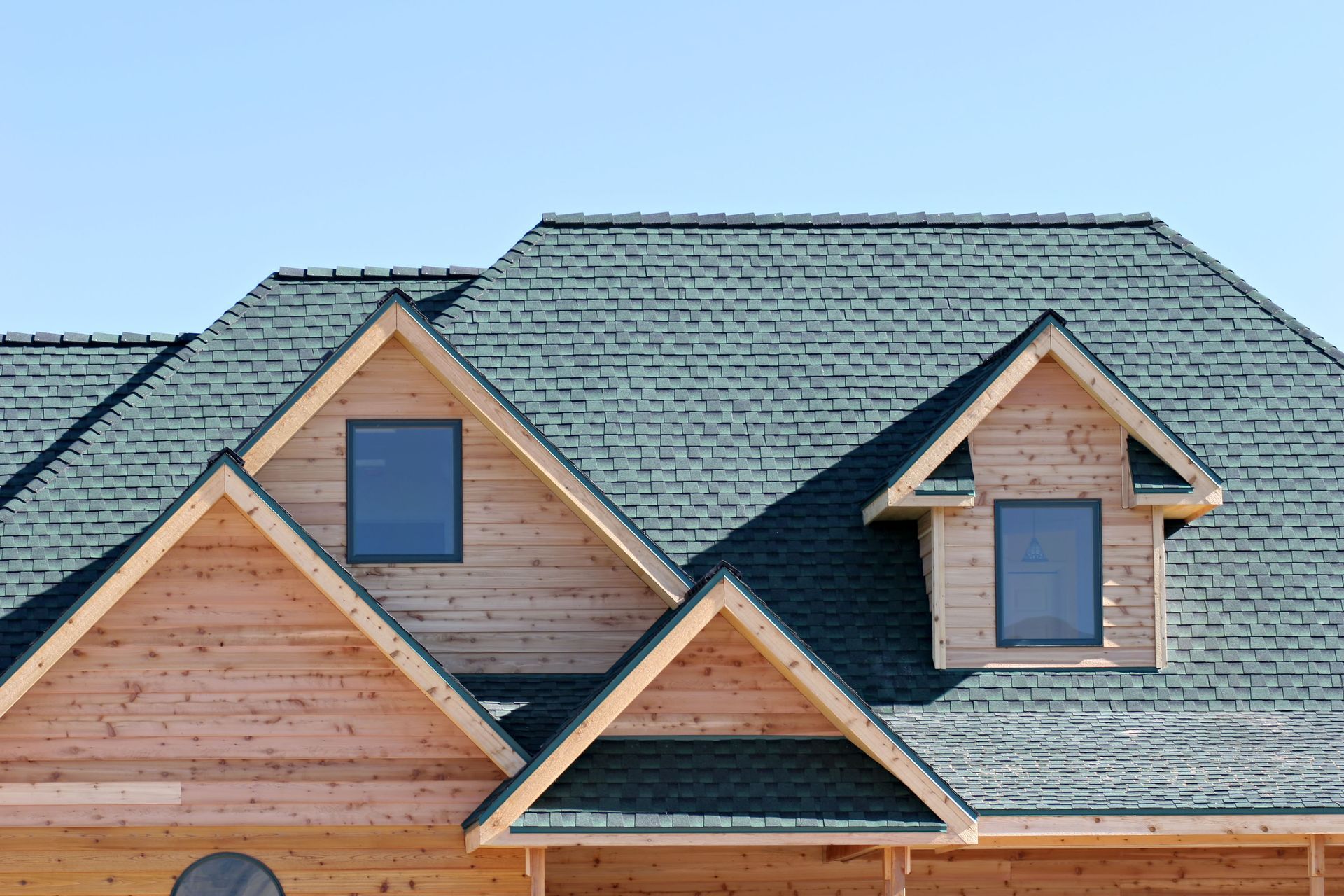
Another belief is that these homes all look the same or lack architectural character. That perception usually comes from outdated examples that no longer represent the industry. Today’s modular homes can be designed to mirror nearly any architectural style, from clean-lined contemporary builds to traditional Southern layouts.
Customization plays a major role in this flexibility. Buyers can modify floor plans, ceiling heights, exterior elevations, window packages, and interior finishes. Kitchens, bathrooms, and living areas can be configured to support open-concept living or more defined spaces depending on preference.
Design freedom also extends to exterior materials. Brick facades, stone accents, fiber cement siding, and upgraded roofing systems are all available options. When finished, modular homes are visually indistinguishable from site-built properties in most neighborhoods. The “boxy and basic” stereotype simply does not hold up anymore.
Confusing The Structure
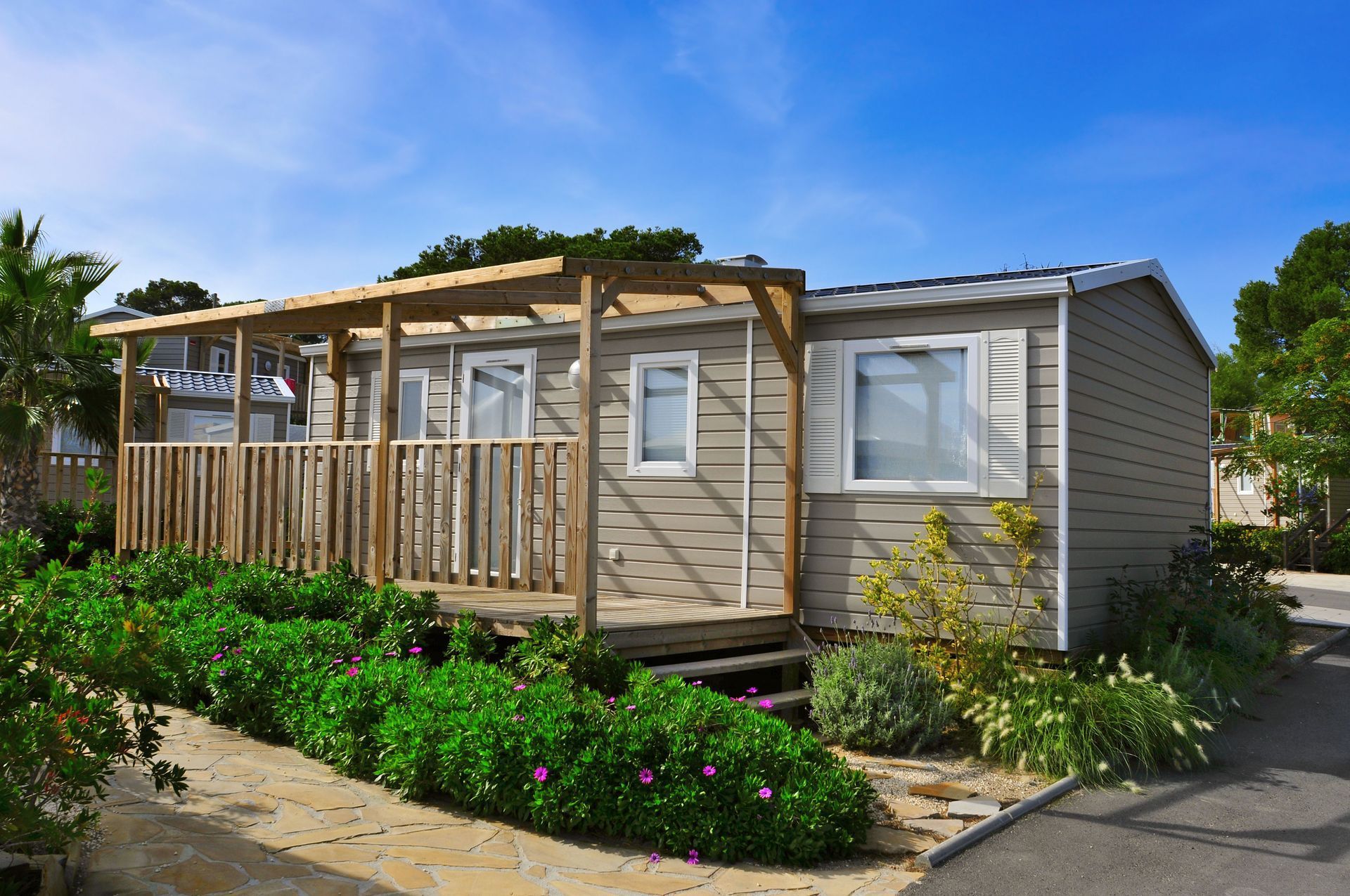
This is one of the most persistent myths, and it often stems from confusion around terminology. Modular homes are not the same as manufactured or mobile homes. They are built in sections, transported to the site, and permanently placed on a foundation such as a basement, crawl space, or slab.
Unlike mobile homes, modular homes must comply with local and state residential building codes rather than federal HUD standards. Once installed, they are legally considered real property. That distinction affects financing, insurance, property taxes, and long-term appreciation.
Structurally, the modules are engineered to connect seamlessly. Once assembled, the home functions as a unified system rather than separate components. Walls are reinforced, rooflines are integrated, and mechanical systems are connected to perform as one continuous structure. In practical terms, you would not be able to tell the difference without seeing the installation process.
Limiting The Financing
Many buyers assume banks are hesitant to finance modular homes. In practice, most lenders treat them the same way they treat site-built properties, provided the home is placed on a permanent foundation. Conventional loans, FHA loans, and VA loans are commonly available for qualifying buyers.
Interest rates and down payment requirements are typically comparable to traditional construction. Appraisals are based on similar homes in the area, not on whether the property was built in a factory. As long as zoning and foundation requirements are met, the mortgage process mirrors that of a conventional build.
Another important factor is long-term affordability. With housing costs rising nationwide, many buyers are looking for ways to control upfront expenses without sacrificing quality. Modular homes offer predictable construction pricing, which reduces the risk of budget overruns. That financial clarity often makes lenders more comfortable, not less.
Predicting Depreciation
There is a belief that modular homes lose value faster than traditional houses. Market data does not support that assumption when the home is installed on owned land and maintained properly. In many cases, appreciation trends align closely with neighboring site-built properties.
Location, upkeep, school districts, and local market demand influence value far more than the construction method. If a modular home is built in a desirable area and maintained well, it competes directly in resale markets. Buyers are typically focused on layout, condition, and price—not whether the structure was assembled from modules.
Affordability trends are also shaping demand. According to ShelfTrend analysis, around 43% of homebuyers are Millennials facing affordability challenges, which is a key driver for demand in the prefabricated housing segment. As this demographic continues entering the market, modular homes are positioned as practical solutions rather than compromises. Growing demand supports stable resale potential.
Questioning The Durability
Because sections are transported to the building site, some assume modular homes are less sturdy. In fact, modules are engineered to withstand transportation stress, which requires reinforced framing and structural bracing. That added strength often exceeds minimum site-built framing requirements.
During installation, cranes position each module precisely onto the foundation. Once secured and sealed, the structure operates as a single system designed to handle wind loads, snow loads, and environmental conditions specific to the region. Building codes ensure performance standards are met or exceeded.
Energy efficiency is another durability factor. Tight seams and factory-installed insulation reduce air leakage, which improves indoor comfort and lowers utility costs over time. When you consider structural engineering and performance metrics together, modular homes are designed for long-term reliability.
Restricting The Placement
Another misconception suggests modular homes are limited to urban developments or specific subdivisions. In reality, they can be placed in rural, suburban, or urban settings, depending on local zoning regulations. Many homeowners choose thesehomes for private land builds in less densely populated areas.
Because much of the construction happens off-site, on-site build time is significantly reduced. This is particularly valuable in regions with unpredictable weather or limited labor availability. Faster assembly means less disruption to the surrounding property and neighborhood.
Modular homes also adapt well to varied lot conditions. Whether building on a sloped parcel, a wooded property, or an open rural tract, foundation options can be customized to meet structural requirements. Their flexibility makes them a viable choice across diverse geographic locations.
Misconceptions tend to linger long after industries evolve. Modular homes have advanced significantly in quality control, architectural design, structural engineering, and financing accessibility. They are permanent, code-compliant residences built to meet the expectations of modern homeowners.
As affordability continues to shape the housing conversation, modular homes offer a practical pathway to ownership without compromising durability or aesthetic appeal. When evaluated on facts rather than assumptions, they stand alongside traditional builds as credible, long-term investments. If you are exploring your options and want straightforward guidance tailored to your goals, contact LGS Home Builders, LLC today to learn how modular homes can work for you.