March 26, 2026
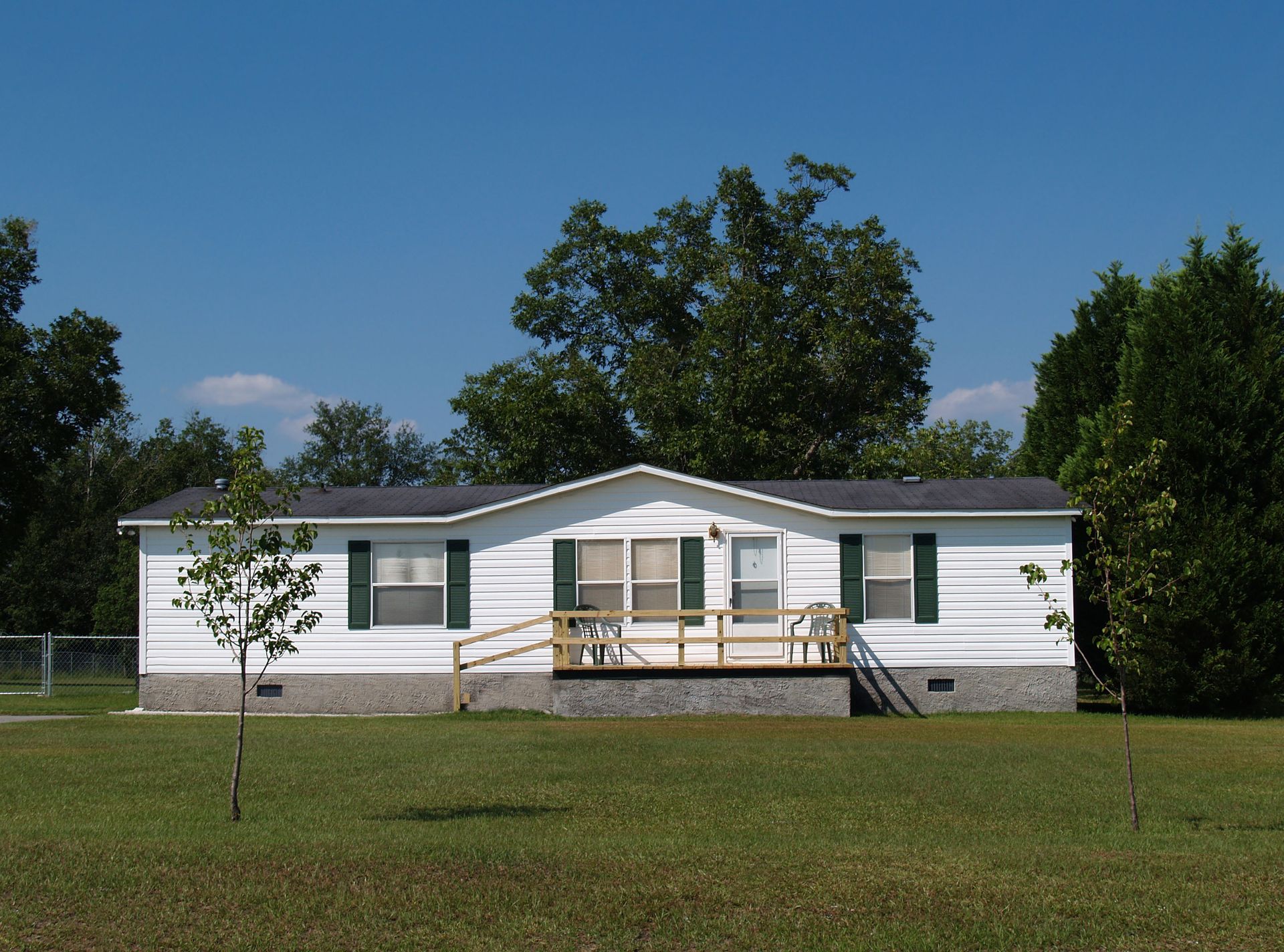
Modular houses are transforming the way homes are built, offering a balance between affordability, efficiency, and high-quality construction. Homebuyers and developers are increasingly turning to modular home construction for its cost-saving benefits without sacrificing design or durability.
1. Efficient Use of Factory-Built Modules
One of the primary ways modular houses reduce construction costs is through the use of factory-built modules. Unlike traditional construction, where materials are delivered piece by piece to the site, modular units are pre-fabricated in controlled environments. This reduces waste and minimizes the risk of delays caused by weather, theft, or material shortages. Factory production also allows for precise measurements, which decreases errors and the need for costly rework. A structured, standardized process in the factory ensures consistent quality, giving homeowners confidence in the integrity of their modular house construction.
These factory-built modules are designed to fit together seamlessly on site, making the final assembly faster and more efficient. Skilled teams work under controlled conditions, using advanced machinery and quality assurance protocols to maintain high standards. By building the majority of the home off-site, developers reduce both labor and material costs, passing these savings on to the homeowner without compromising structural integrity or design quality.
2. Reduced Construction Timeline
Time is money in any construction project, and modular houses dramatically shorten building timelines. Because the modules are constructed simultaneously with site preparation, the overall project duration is significantly reduced. Traditional homes can take several months or even over a year to complete, but modular home construction can often be finished in a fraction of that time. According to HomeAdvisor, once the modules arrive to the site, crews usually need 4 to 6 weeks to set up and finish the home.
A faster timeline reduces labor costs and minimizes interest payments for construction loans, which can represent substantial savings for homeowners and developers. Additionally, quicker completion means homeowners can move in sooner and start generating any potential rental income or using the property for its intended purpose. The accelerated schedule also benefits developers by allowing them to start the next project sooner, increasing overall productivity and profitability.
3. Minimized Material Waste
Modular house construction is highly efficient when it comes to material usage. In factory-controlled settings, builders can cut materials to precise dimensions and recycle offcuts that would otherwise be discarded on traditional construction sites. This careful planning reduces waste and lowers costs for both raw materials and disposal fees. Efficient material usage also contributes to environmentally friendly building practices, which can be an attractive selling point for eco-conscious homeowners.
By minimizing waste, modular construction not only saves money but also improves overall project efficiency. Less waste means less cleanup, reduced transport costs for discarded materials, and a smaller environmental footprint. Many modular home construction projects can incorporate sustainable materials such as engineered wood or recycled composites, combining cost savings with environmentally responsible building practices.
4. Lower Labor Costs and Fewer On-Site Workers
Labor costs are a significant component of any construction budget, and modular houses can reduce these costs considerably. Most of the labor occurs in a controlled factory environment, where skilled teams work more efficiently and with fewer interruptions. On-site, fewer workers are required because the modules arrive nearly complete, ready to be assembled. This reduces on-site labor costs while maintaining quality, as the factory teams have specialized expertise in modular house construction.
Fewer workers on-site also means less potential for accidents or delays caused by weather or coordination issues. Developers can save on supervision and logistics, making modular construction a more streamlined and cost-effective approach. The combination of factory efficiency and simplified on-site assembly ensures that homeowners receive high-quality construction without the typical cost burden associated with traditional building methods.
5. Streamlined Design and Standardization
Modular houses benefit from standardized designs that can be customized without extensive redesign work. Standardization reduces architectural and engineering costs because the same plans and processes can be reused across multiple projects. Custom options, such as finishes or layouts, are incorporated within the modules without compromising the efficiency of construction. This approach reduces planning and design costs while maintaining high-quality results for homeowners.
Standardized construction methods also allow for consistent quality control. Every module is inspected during factory production to meet strict specifications, minimizing errors and costly corrections. By combining standardization with customizable options, modular home construction delivers flexibility for homeowners without the typical financial burden of fully custom traditional builds.
6. Decreased Site Preparation Expenses
Another way modular houses reduce costs is by minimizing site preparation expenses. Because the modules are built off-site, the on-site work is limited to foundation preparation, utility connections, and assembly. This reduces heavy machinery use, site labor, and the time needed for excavation or other preparatory tasks. The streamlined on-site process contributes to faster completion times and lower overall construction costs.
Site preparation for traditional builds often requires multiple contractors and extended timelines, driving up both labor and equipment costs. Modular house construction simplifies these steps, as the modules are designed to fit precisely onto the prepared foundation. This not only reduces the risk of errors but also makes the process more predictable, saving both money and time while maintaining the integrity of the final build.
7. Reduced Weather-Related Delays
Weather is a common source of delay in traditional construction, often causing project timelines to extend and budgets to inflate. Modular home construction mitigates this issue because most of the work is done indoors in a climate-controlled factory. This eliminates delays caused by rain, snow, or extreme temperatures, which can otherwise impact labor efficiency and material performance. Reduced weather-related interruptions translate into cost savings and more predictable project timelines.
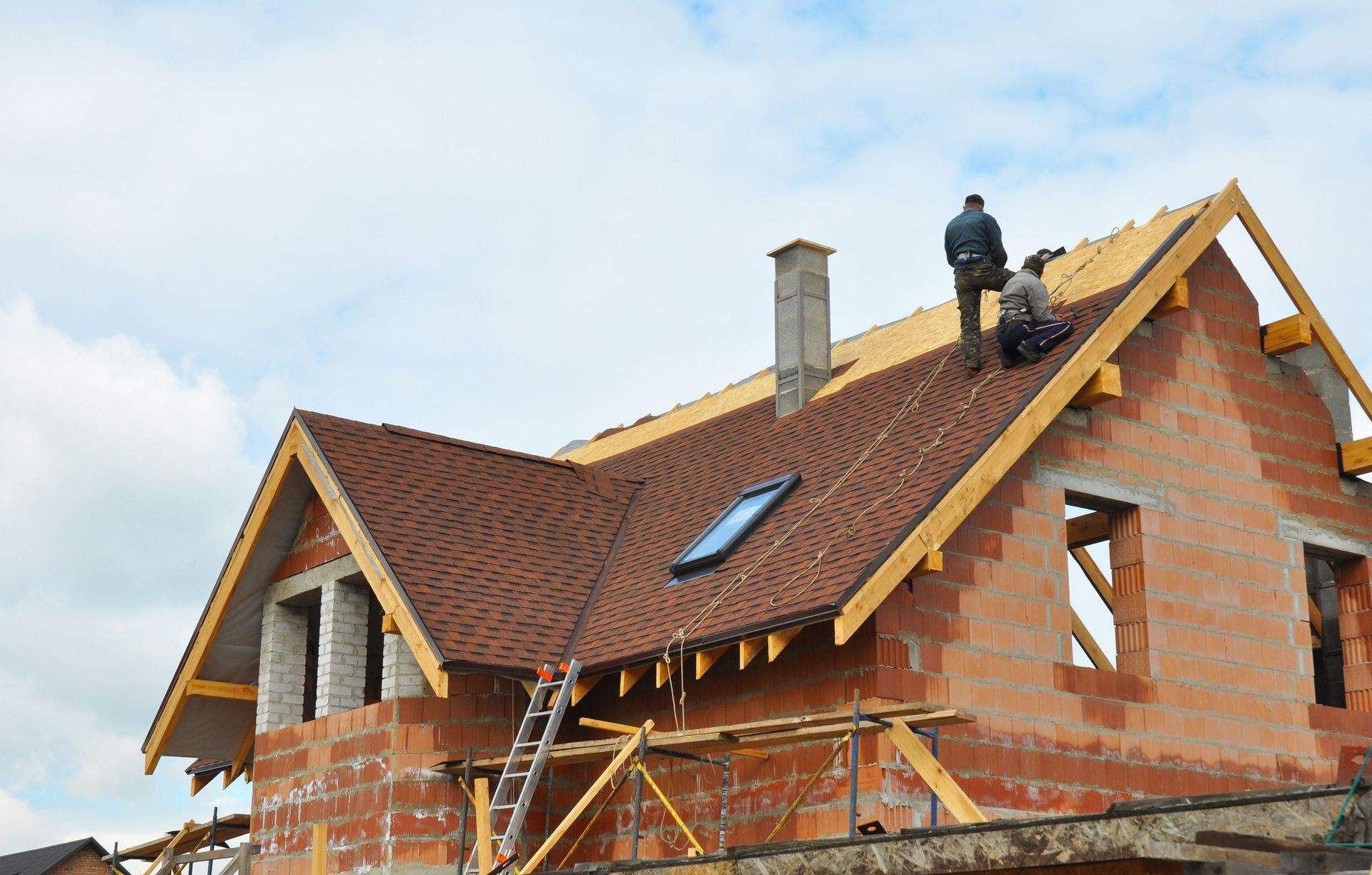
On-site, only assembly and finishing touches are exposed to the elements, which typically require far less time and labor. By limiting exposure to weather, modular house construction preserves the quality of materials and prevents water damage or other environmental issues that might require expensive corrections. Homeowners benefit from both faster delivery and reliable quality without the risk of weather-related setbacks inflating the cost.
8. Efficient Supply Chain Management
Modular home construction allows for optimized supply chain management, which contributes to cost savings. Materials are purchased in bulk and delivered directly to the factory, reducing shipping costs and minimizing storage fees. Factory production schedules are coordinated with material delivery, ensuring that items are used immediately rather than sitting idle on-site. This efficiency reduces waste, prevents material shortages, and lowers the overall cost of construction.
By centralizing material management and production, manufacturers can maintain tighter quality control and reduce the likelihood of errors that might require costly fixes. Homeowners benefit from a streamlined process that keeps costs predictable and construction timelines short. Working with an experienced modular house construction provider ensures that material handling and production are optimized to save money without compromising quality.
Modular houses reduce construction costs through efficient factory production, reduced labor, minimized waste, and streamlined timelines. By balancing affordability with high-quality standards, modular home construction offers a reliable solution for homeowners seeking value without compromise. Partnering with an experienced modular construction provider ensures savings, durability, and a home ready for years of enjoyment. If you are looking for a reliable modular construction provider, contact LGS Home Builders today to learn more and get started!