November 28, 2025
Modular house construction has revolutionized the housing industry with its innovative approach and efficient execution. This method involves building homes in factory-controlled environments, allowing for consistent quality and expedited construction timelines. With the increasing demand for affordable and sustainable housing solutions, modular construction has emerged as a favorable option for homeowners and developers. The benefits of modular homes include reduced construction time, decreased waste, and potential savings on labor costs due to factory assembly. As urbanization continues to rise, the appeal of modular homes is growing, making it an integral part of the housing industry's future.
Understanding the Basics of Modular Construction
Defining Modular Homes
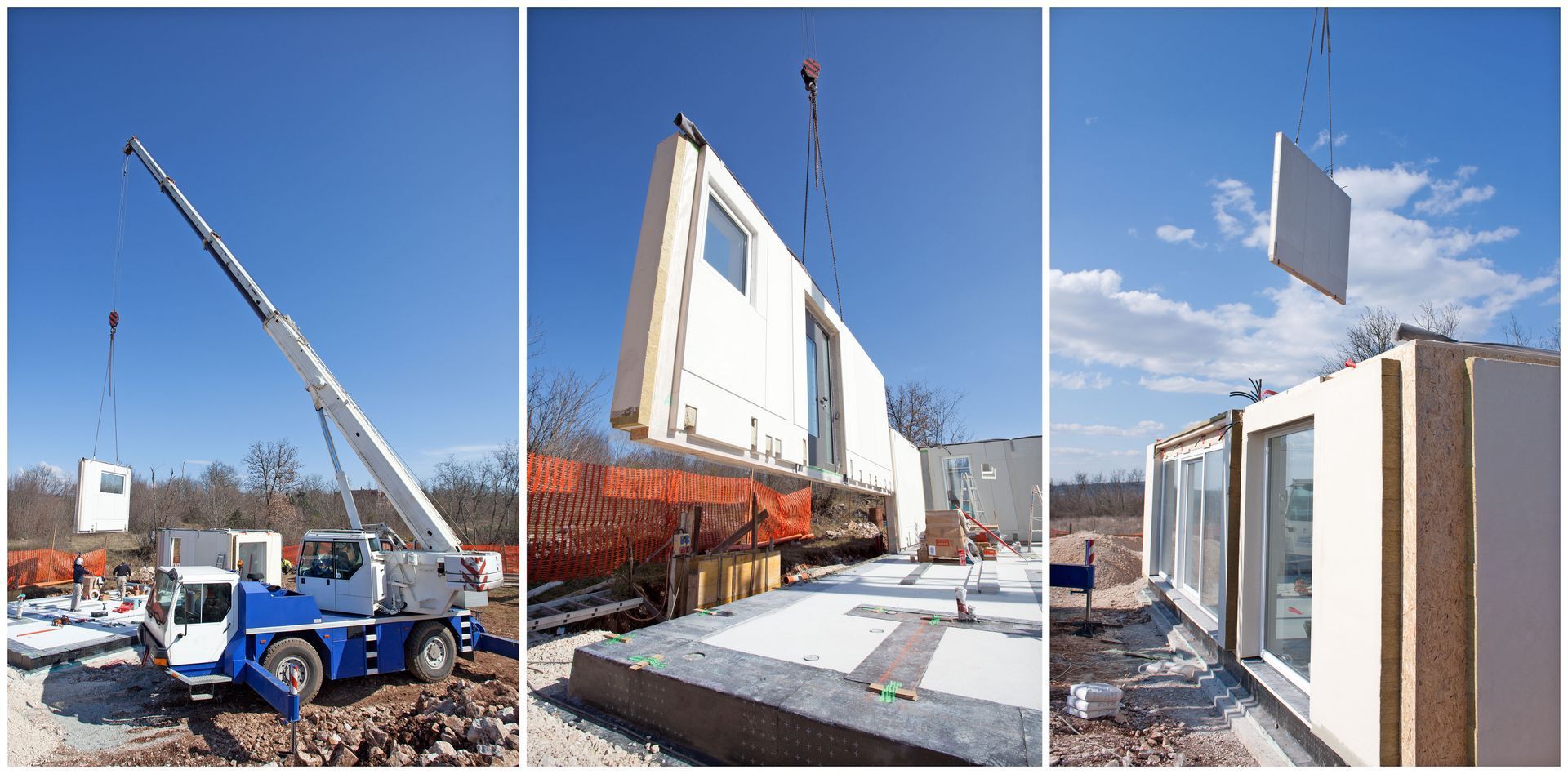
Modular homes are prefabricated buildings that are constructed in sections or modules within a manufacturing facility. These modules are then transported to the construction site where they are assembled on a permanent foundation. The process ensures that the homes are built to high standards and strict quality controls, often exceeding the standards of traditional on-site construction. Homeowners benefit from the efficiency of modular construction, as the homes can typically be completed in a matter of weeks rather than months. This rapid completion is particularly appealing in regions with short building seasons or where housing demand is high.
Distinguishing Modular from Traditional Homes
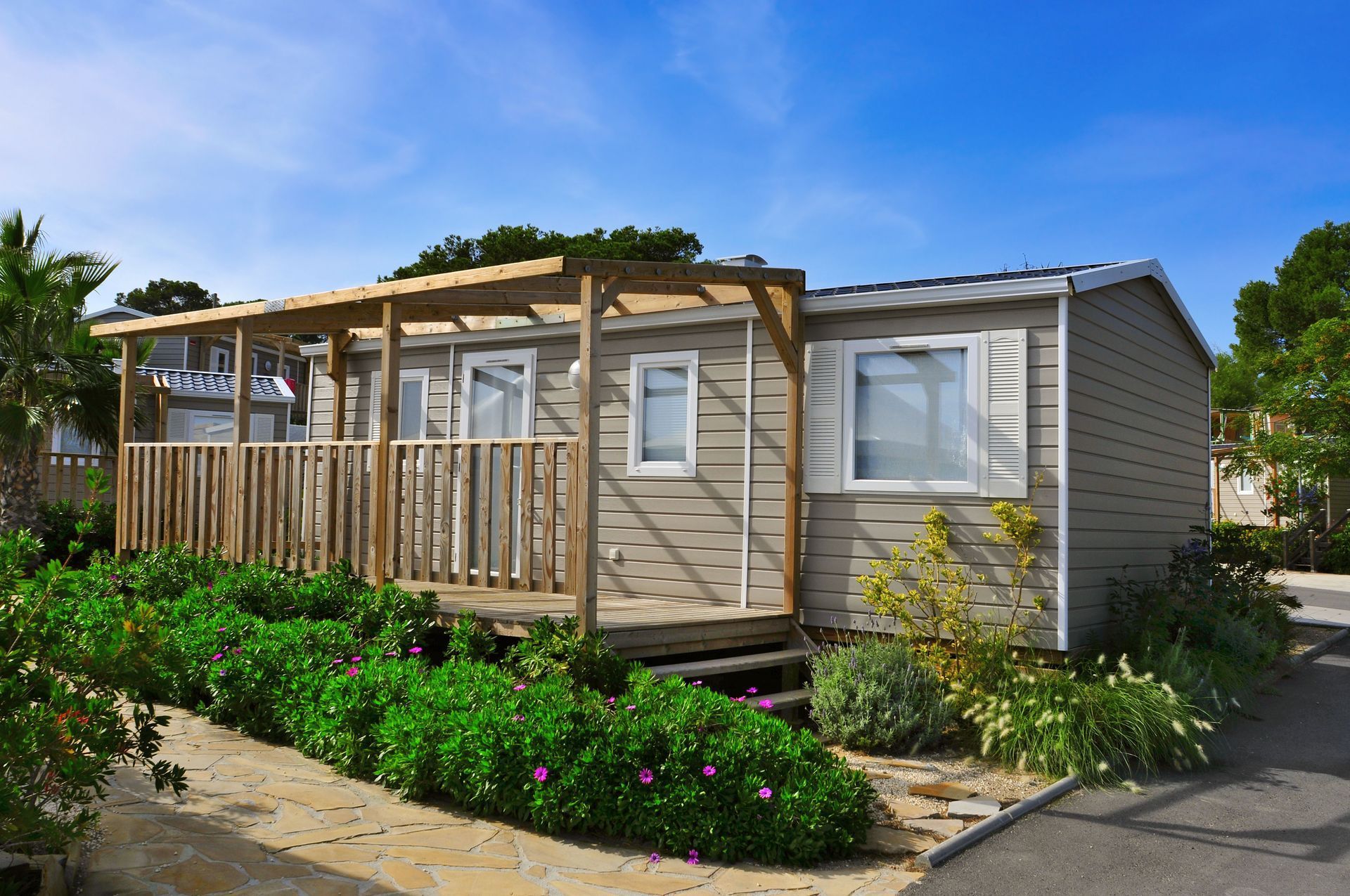
While modular homes are built in sections and assembled on-site, traditional homes are entirely constructed at the building site. The distinction lies in the construction environment; modular homes benefit from being constructed in climate-controlled facilities, which mitigates the challenges posed by harsh weather conditions. Additionally, modular homes leverage precision manufacturing technology, leading to minimum waste and enhanced quality control compared to traditional methods. Interestingly, once assembled, modular homes are indistinguishable from traditional homes in appearance and functionality. They meet the same building codes and standards, ensuring safety and durability.
Identifying Key Components of Modular Homes
Modular homes comprise several key components that are meticulously designed in factories before being transported to the site. Each module typically contains a section of the structure, such as rooms or floors, fitted with electrical wiring, plumbing, and insulation. This level of pre-construction ensures a minimal on-site work requirement, which translates to faster project completion. With advancements in design technology, modular homes offer a range of customization options, allowing homeowners to select from various layouts, finishes, and fixtures. These key components contribute to the flexibility and scalability of modular homes, catering to diverse aesthetic and functional preferences.
Dispelling Common Myths About Modular Construction
Despite their growing popularity, modular homes are still subject to misconceptions. One common myth is that modular homes are of lower quality compared to traditionally built homes. However, modular homes are constructed using the same materials and adhere to the same building codes, with the added advantage of factory quality control. Another misconception is that modular homes lack customization, which is untrue, as modern modular constructions offer extensive design and finish options to meet individual preferences. Addressing these myths helps in changing perceptions and increasing acceptance of modular construction as a viable housing option.
Planning and Designing Modular Homes
Considering Initial Planning and Budget
The planning phase is crucial in ensuring the success of a modular house project. During this stage, potential homeowners evaluate their budget and decide on financing options suited to their needs. Engaging with experts early on can help in establishing realistic budget projections and understanding any financial incentives available. Additionally, a thorough market analysis aids in choosing the right location and assessing potential return on investment. According to Custom Market Insights, the US Prefabricated Housing Market is expected to record a CAGR of 5.8% from 2024 to 2033, indicates a promising landscape for those considering modular homes.
Choosing and Designing Modular Home Styles
Once the budget is confirmed, choosing a suitable home style is the next step. A modular house boast a diverse spectrum of styles, from traditional to contemporary designs, ensuring that they cater to varied aesthetic tastes. Homebuyers can select from a range of floor plans, each offering unique configurations that can be further personalized to meet individual needs. Technology has played a pivotal role in this process, with advanced software allowing for virtual design experiences and real-time modifications. Ultimately, the chosen style should reflect the homeowner's vision while maintaining practical functionality.
Exploring Customization Options and Limitations
A modular house offers an array of customization possibilities, allowing homeowners to design spaces that mirror their personal taste and lifestyle. Options range from various floor plans to choices in siding materials, roofing, and interior finishes. However, it's important to recognize certain limitations inherent to modular construction, such as structural and transport constraints. While these limits are generally minimal, working with experienced architects can help navigate them, ensuring that the desired customization is achievable within the modular framework. Understanding these possibilities and constraints makes the designing experience more proactive and informed.
Manufacturing the Modules
Selecting a Reputable Manufacturer
The selection of a reputable manufacturer is pivotal to the quality and success of a modular home project. It is essential to evaluate potential manufacturers based on their experience, production capabilities, and past project reviews. A trusted manufacturer will offer transparency, provide detailed specifications, and ensure that all components meet necessary standards and certifications. Additionally, touring manufacturing facilities can provide insights into their operational procedures and quality control measures, offering peace of mind throughout the construction process. Establishing clear communication with manufacturers helps in aligning expectations and mitigating any unforeseen issues.
Managing Weather Impact on Manufacturing
One of the key advantages of a modular house manufacturing is its resistance to adverse weather conditions, as the majority of the construction takes place indoors. Weather unpredictability can lead to significant delays and increased costs in traditional construction, but modular homes are unaffected by such hindrances. This indoor production environment ensures that the materials remain protected from moisture and temperature fluctuations that could potentially compromise structural integrity. Although weather becomes a consideration when transporting modules, robust planning and engineering help mitigate risks during this phase. This operational independence from weather is a substantial contributor to the efficiency and dependability of modular construction.
Preparing the Site and Foundation
Evaluating and Preparing Construction Sites
Proper site evaluation and preparation lay the groundwork for successful modular home assembly. Initially, the site is assessed for accessibility, soil conditions, and compliance with zoning regulations. Preparing the site involves clearing debris, leveling the surface, and setting out foundations to exact specifications. This phase is critical, as any oversight can lead to issues during the module assembly, affecting the stability and alignment of the structure. Adequate planning and execution during site preparation ensure that the modules can be swiftly and accurately installed, minimizing construction delays and costs.
Exploring Foundation Types for Modular Homes
A modular house can be supported by various foundation types, each selected based on site characteristics, climate, and local building codes. Common foundation options include crawl spaces, basements, and slab-on-grade, each offering distinct benefits and considerations. For example, basements provide additional living or storage space, while slab-on-grade is more cost-effective and suitable for warmer climates. Collaborating with engineers helps in determining the optimal foundation type to support specific home designs, ensuring safety and longevity. Ultimately, a well-chosen foundation provides the stability needed for the modular home's successful installation and performance.
Setting Up Utilities and Connections
Utility integration is a vital component of site preparation, empowering the modular home with essential services. Before module arrival, connections for water, electricity, sewage, and gas need to be planned and positioned according to building specifications. This requires coordination with utility providers and compliance with all applicable safety and code regulations. Properly aligned connections facilitate quick integration once the modules are placed, ensuring immediate functionality and preventing complications. Incorporating utility setup into the site preparation phase fosters a smoother transition from construction to occupancy.
Modular house construction has proven to be more than just a trend—it is a transformative solution to the challenges of modern housing. By combining speed, efficiency, sustainability, and cost-effectiveness, modular homes present a practical alternative that meets the demands of today’s homeowners and communities. As technology continues to advance, modular construction will play an even greater role in shaping the future of residential development, offering flexibility, quality, and long-term value.
If you’re ready to explore the possibilities of modular living, LGS Home Builders, LLC is here to guide you every step of the way. Contact us today to begin building your dream home with confidence and innovation.